
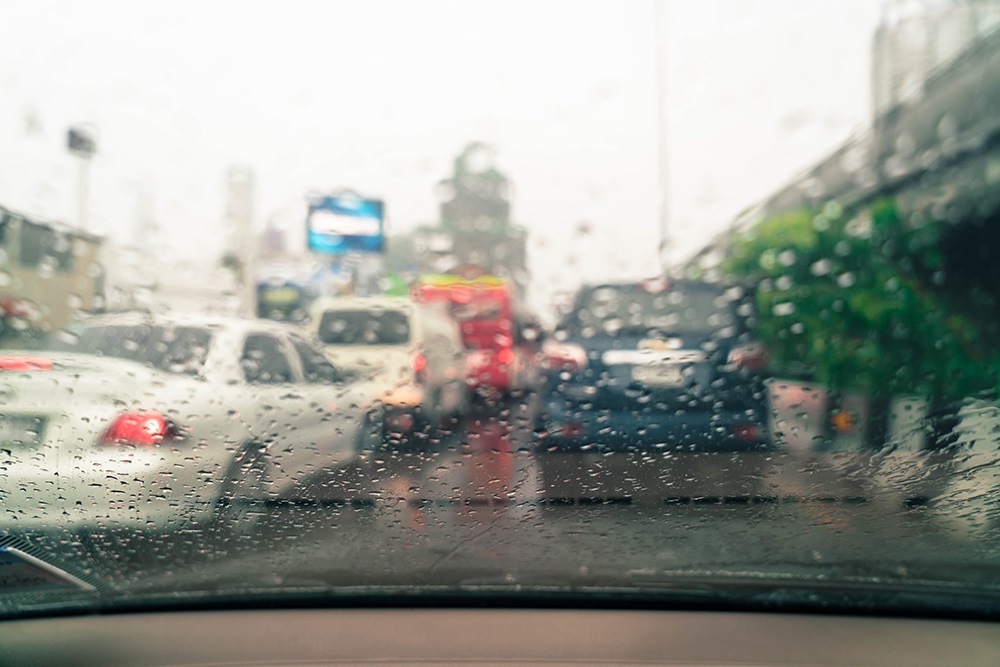
Some Essential Tips for Wet Weather Driving in Thailand
When the rainy season arrives in Thailand, it brings cooler temperatures, lush green landscapes and of course more challenging driving conditions. Torrential rain, slippery roads and reduced visibility make it much harder to drive safely, whether you’re commuting daily or heading out for a weekend trip. Navigating wet roads confidently requires good reflexes and understanding how your car responds to these conditions and making a few key adjustments to your usual driving habits.
If you’ve ever felt uneasy behind the wheel during a downpour, you’re definitely not alone. The good news is that a few simple precautions can make a big difference, helping you stay safer while protecting your car from unnecessary wear and tear. So with that in mind, here are some practical real world tips that’ll help you stay in control this rainy season.
Start with Your Vehicle & Prep It for the Rain
Before you even hit the road, take a moment to make sure your car is rain ready. Wet weather can highlight existing issues, so catching them early is a smart move. Start with your windshield wipers, are they cleaning properly without skipping or smearing? Worn out blades can drastically reduce visibility, especially during heavy rainfall.
Next, check your tires. Adequate tread depth and correct pressure are vital for gripping the road when it’s wet. Bald or under inflated tires are dangerous even on dry roads and they become a serious hazard when water is involved. Your car’s lights are equally important so ensure the headlights, brake lights and turn signals are all in good working condition to help others see you clearly through the rain.
These might seem like small checks, but they lay the groundwork for a much safer drive. Taking a few minutes now can save you a lot of stress and potentially money later on.
Adjust Your Driving Style for the Conditions
Once you’re on the road, the way you drive should reflect the weather. In dry conditions, you might follow a safe 3 second gap behind the car in front, but on wet roads you need to give yourself more time to react. Doubling that following distance helps compensate for reduced traction and longer braking distances.
Smooth, gradual inputs are the key when it’s raining, so avoid slamming on the brakes or accelerating too hard as either one can lead to skidding or hydroplaning. If you do feel your car starting to slide, ease off the accelerator and steer gently in the direction you want to go. Jerky movements only make it worse.
It’s also smart to reduce your overall speed. Slowing down by even 10 or 15 percent gives your tyres more grip and gives you more control over your vehicle. In short just be gentle with the wheel, the brakes and the accelerator and it’ll pay off in safety.
Be Cautious with Water on the Road
One of the most common rainy season dangers is standing water. It’s easy to underestimate just how much damage a shallow looking puddle can do. Driving through even a small flooded area can cause serious problems, especially if water makes its way into the engine or electrical system.
If you can’t avoid the water completely, take it slow and steady. Shift to a lower gear and maintain a consistent speed without stopping. Keep in mind that if water splashes up into the exhaust or intake, it could stall your engine. And if the water is flowing or looks deeper than a few inches, don’t chance it and instead try to find another route.
This is where staying alert really matters as wet weather requires your full attention. Keep distractions to a minimum, skip the phone calls, turn the music down and stay focused on the road. Even if it’s familiar territory, conditions change quickly when rain is involved.
Visibility Is Everything in the Rain
Even during light showers or overcast conditions, switch on your headlights. They help you see and be seen, especially by oncoming traffic or drivers behind you. Avoid using your hazard lights while driving. In some countries, people use them during heavy rain, but this can actually confuse other drivers who might think your car is broken down or stopped. Stick to your headlights and brake lights as they’re all you need to communicate clearly on the road. And if your windows start to fog up, don’t wait and be sure to use your car’s defogger or crack the windows slightly to balance the air inside. Good visibility can be the difference between a smooth trip and a close call.
Make Rainy Season Driving a Habit, Not a Hassle
The key is being proactive and not just reacting to problems, but preventing them altogether. That means staying calm, keeping your car well maintained and adjusting your approach as the conditions demand.
If you’re thinking of upgrading your vehicle or need something reliable during the wetter months, we offer a great range of used cars as well as flexible rental options. Whether you’re looking for a short term solution or a long term ride, it’s always worth making sure the car you’re driving is one you can trust, especially when the weather takes a turn.